Virtual Bitcoin Cards
Instant virtual cards for online spending - issued in minutes, no plastic needed.
cards on this page: 38 · issuing today (excl. watch list): 29 · verified or reported facts: 42% · direct on-chain BTC top-up: 12
quick picks
- instant virtual card, no plastic theater OKX Card - issues an instant virtual card with 0% FX and 2% cashback - and publishes no ATM access at all, the honest trade of the virtual-only shape
- free virtual card in every supported region Bybit Card - free virtual issuance with 0.9% top-up fee - the cleanest documented example of virtual-first issuance in the exchange-card market
- virtual card on a self-custody balance Nuri - virtual-only Visa on a self-custodial wallet - the architecture where the card is a handle, not the vault
Short answer: Virtual issuance is the market's default: approval to wallet payment takes minutes, plastic is optional everywhere. The decisive questions are elsewhere - whether the card reaches an ATM, how a disposable number treats your subscriptions, and what the in-app conversion spread costs. Form factor is a delivery detail; the fee table is the product.
| # | Card | Bitcoin in | BTC sold | KYC | Monthly | Cashback | Pay & Cash | Score | |
|---|---|---|---|---|---|---|---|---|---|
| 1 |  ether.fi Cash BTC-backed credit |
On-chain | You decide | Basic | $0 | 3% (ETHFI) | Apple Pay Google Pay ATM | 7.8 | Visit |
| 2 |  Freedomia Direct BTC top-up (on-chain) |
On-chain | At top-up | None | $5 | – | Google Pay ATM | 7.3 | Visit |
| 3 |  KAST BTC via in-app conversion |
In-app swap | – | Full | $0 | 1.5% (USD) | Apple Pay Google Pay ATM | 6.8 | Visit |
| 4 |  Cash App Card BTC via in-app conversion |
In-app swap | You decide | Full | $0 | 5% BTC | ATM | 6.6 | Visit |
| 5 |  Krak Card (Kraken) BTC via in-app conversion |
In-app swap | Per transaction | Full | $0 | 2% BTC | Apple Pay Google Pay ATM | 6.6 | Visit |
| 6 |  Revolut BTC via in-app conversion |
In-app swap | Per transaction | Full | $0 | – | Apple Pay Google Pay ATM | 6.5 | Visit |
| 7 |  Bybit Card BTC via in-app conversion |
In-app swap | – | Full | $0 | 2% (USDT) | ATM | 6.3 | Visit |
| 8 |  Fold Bitcoin Debit Card BTC via in-app conversion |
In-app swap | Per transaction | Full | $0 | 0.25% BTC | Apple Pay Google Pay ATM | 6.2 | Visit |
| 9 |  Bitget Card BTC via in-app conversion |
In-app swap | – | Full | $0 | 2% (token/fiat) | ATM | 5.5 | Visit |
| 10 |  OKX Card BTC via in-app conversion |
In-app swap | – | Full | $0 | 2% (USDG) | Apple Pay Google Pay | 5.5 | Visit |
| 11 |  Xapo Bank Direct BTC top-up (on-chain) |
On-chain | – | Full | $83.33 | – | ATM | 5.4 | Visit |
| 12 |  CoinZoom ZoomMe Card Direct BTC top-up (on-chain) |
On-chain | At top-up | Full | $0 | 0.5% (ZOOM) | ATM | 5.1 | Visit |
| 13 |  KuCard BTC via in-app conversion |
In-app swap | – | Full | – | – | Apple Pay Google Pay ATM | 5 | Visit |
| 14 |  Binance Card BTC via in-app conversion |
In-app swap | – | Full | – | 3% (token/fiat) | – | 4.4 | Visit |
| 15 |  Nuri Direct BTC top-up (on-chain) |
On-chain | – | Basic | $0 | – | Apple Pay Google Pay ATM | 3.2 | Visit |
| 16 |  Bybit EU Card BTC via in-app conversion |
In-app swap | – | Full | $0 | 1% BTC | ATM | n/a | Visit |
| 17 |  Coinbase Card BTC via in-app conversion |
In-app swap | Per transaction | Full | $0 | – | Apple Pay Google Pay ATM | 6.4 | Visit |
| 18 |  Nexo Card BTC-backed credit |
In-app swap | – | Full | $0 | 2% BTC | Apple Pay Google Pay ATM | 6.2 | Visit |
| 19 |  Crypto.com Visa Signature Credit Card BTC via in-app conversion |
In-app swap | – | Full | $0 | 1.5% BTC | ATM | 6.1 | Visit |
| 20 |  Coinbase One Card Earns BTC cashback |
No BTC in | – | Full | $0 | 2% BTC | Apple Pay Google Pay | 6 | Visit |
| 21 |  Crypto.com Prepaid Visa Card BTC via in-app conversion |
In-app swap | – | Full | $0 | 1.5% (CRO) | ATM | 5.9 | Visit |
| 22 |  Goblin Card Direct BTC top-up (on-chain) |
On-chain | – | None | $0 | – | Apple Pay Google Pay ATM | 5.9 | Visit |
| 23 |  2Fiat Direct BTC top-up (on-chain) |
On-chain | – | None | $0 | – | Apple Pay Google Pay | 5.5 | Visit |
| 24 |  Wirex BTC via in-app conversion |
In-app swap | – | Full | $0 | 8% (USD) | ATM | 5.2 | Visit |
| 25 |  Uphold Card BTC via in-app conversion |
In-app swap | – | Full | $0 | 4% (XRP) | Apple Pay Google Pay ATM | 4.6 | Visit |
| 26 |  Phantom Cash Card BTC via in-app conversion |
In-app swap | You decide | Full | $0 | – | Apple Pay Google Pay | 4.6 | Visit |
| 27 |  RedotPay BTC via in-app conversion |
In-app swap | – | Full | $0 | – | Apple Pay Google Pay ATM | 4.5 | Visit |
| 28 |  Vivid Money BTC via in-app conversion |
In-app swap | – | Full | $0 | 4% (token/fiat) | Apple Pay Google Pay ATM | 4.5 | Visit |
| 29 |  PST.NET Direct BTC top-up (on-chain) |
On-chain | – | Full | – | – | – | 4.4 | Visit |
| 30 |  Moon Direct BTC top-up (on-chain) |
On-chain | – | Email only | $0 | – | – | 4 | Visit |
| 31 |  PlasBit Direct BTC top-up (on-chain) |
On-chain | – | Full | $0 | – | – | 3.8 | Visit |
| 32 |  AdvCash Direct BTC top-up (on-chain) |
On-chain | – | Full | $1 | – | – | 3.7 | Visit |
| 33 |  Gate Card BTC via in-app conversion |
In-app swap | – | Full | – | 8% (points (redeemable for USDT or GT)) | ATM | 3.2 | Visit |
| 34 |  Ledger CL Card Direct BTC top-up (on-chain) |
On-chain | Per transaction | Full | $0 | 1% BTC | Apple Pay Google Pay ATM | n/a | Visit |
| 35 |  Shakepay Card Earns BTC cashback |
No BTC in | – | Full | $0 | 1% BTC | Apple Pay Google Pay ATM | n/a | Visit |
| 36 |  Lemon Card BTC-backed credit |
In-app swap | Per transaction | Full | $0 | 0.25% BTC | – | n/a | Visit |
| 37 |  Bitrefill Card BTC via in-app conversion |
In-app swap | At top-up | Full | $0 | 1% (EUR) | – | n/a | Visit |
| 38 |  Bitstack Card Earns BTC cashback |
No BTC in | – | Full | $0 | 0.1% BTC | – | n/a | Visit |
A virtual card is what a card looks like when the object stops being the point. Exchange-card programs issue it instantly, provision it to the phone wallet, and ship plastic later - if at all - because the account is the product and the PAN is just its current address. That makes the virtual lane the fastest path from signup to spending in this market, and also the lane where the fee table deserves the closest reading: nothing about the fees is virtual.
38 cards on this page issue a virtual card; 38 can run as virtual-only. The split between static numbers and wallet tokens matters more than the split between virtual and plastic - and it is the axis the market talks about least.
What "virtual-first" actually means
The exchange-card market has converged on one shape: issue virtual at approval, plastic as an option. Bybit documents free virtual issuance with physical availability varying by region [1]; Bitget prices the card at $0 opening and annual fees with both form factors [7]; OKX goes further and ships only the virtual card [3]. The pattern is not a cost saving on plastic - it is a decision about time-to-first-payment, which is the metric every onboarding funnel optimizes.
The consequence for you is that the virtual card is the default product everywhere, and plastic is the add-on. That reverses the pre-crypto card market, where the physical card was the product and the wallet was the add-on. It also means the honest comparison between programs happens at the account level - fees, conversion, custody - not at the form-factor level.
Provisioning: app to wallet in minutes
The provisioning flow is identical across programs and runs through the phone wallet: the app issues the PAN, the wallet tokenizes it, and the merchant sees a device token rather than the card number [5]. That tokenization is the security story of the lane - a merchant breach compromises a token bound to your device, not the underlying number. 50% of this page's cards support Apple Pay; the holdouts are the bank-structured products where provisioning follows the bank's slower schedule.
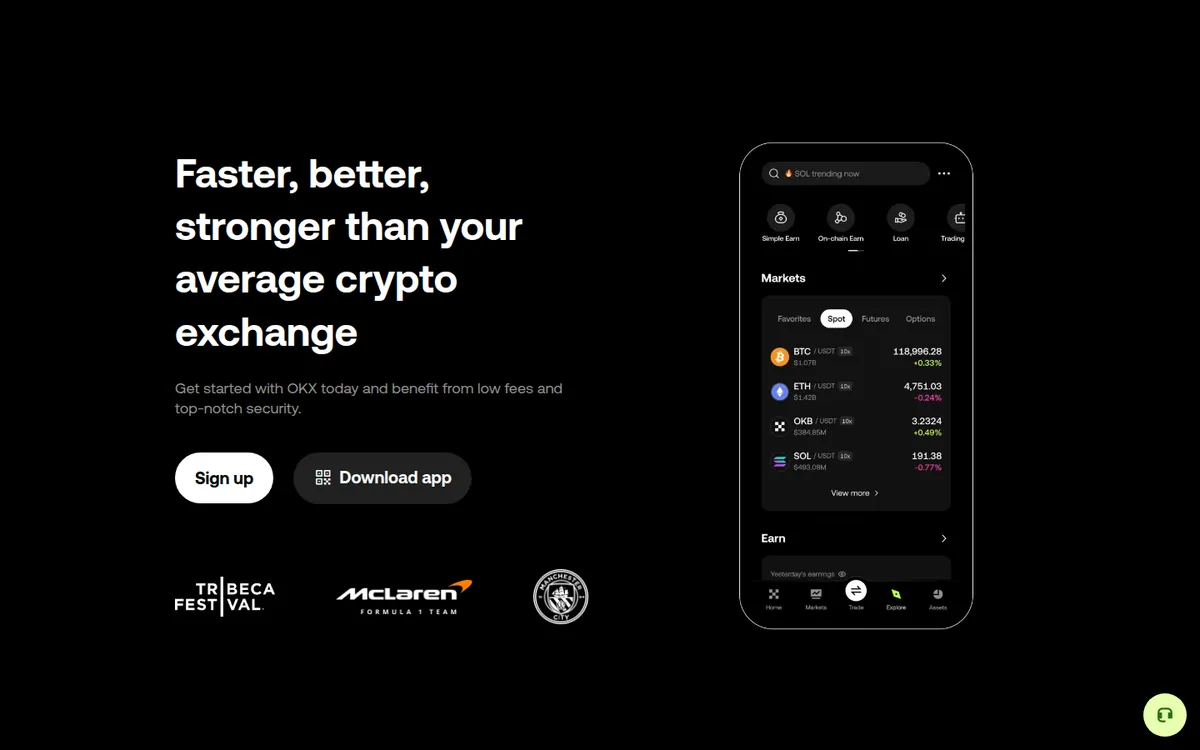
For subscriptions and renewals, the wallet matters in a different way: a static virtual PAN stored with a merchant survives the phone, the app update and the card's normal life - until it expires. Plan for that expiry the way you plan for plastic, because the reissue flow replaces the number and the stored credential with it.
Disposable vs static: the risk shape
Static numbers dominate this market, and that is a real trade-off rather than an omission. A disposable number kills a leak by dying - the fintech playbook - but it breaks recurring payments and complicates refunds, which reference the original authorization. A static number survives subscriptions and refunds, and it also survives a leak until you act. The defense is the same either way: freeze fast, replace once, and read whether the program charges for the replacement - the physical hub documents those fees.
A static virtual PAN is also the credential you provision elsewhere: merchant vaults, subscription checkouts, transit apps. That makes it the more convenient number - and the one whose leak costs the most, because every stored copy keeps working until you freeze or reissue. The exchange-card market has effectively standardized on static, which makes the freeze-and-reissue cycle your real security control: learn where the freeze button lives in the app before you ever need it, and check whether the reissue carries a fee on the physical hub's replacement table. A virtual card is the fastest-recovering payment instrument in this market - provided you have already looked up how recovery works.
| Card | Type | Wallets | FX | Load fee | Monthly | Cashback | Custody | Status |
|---|---|---|---|---|---|---|---|---|
| ether.fi Cash | both | Apple + Google | 1% | 0% | $0/mo | 3% ETHFI | self-custody | active |
| Freedomia | virtual | 2.5% | 1.3% | $5/mo | - | custodial | active | |
| KAST | both | Apple + Google | 2% | 0% | $0/mo | 1.5% USD | custodial | active |
| Cash App Card | both | - | 3% | 0% | $0/mo | 5% BTC | custodial | active |
| Krak Card (Kraken) | both | Apple + Google | - | 0% | $0/mo | 2% cash (GBP/EUR) or BTC | custodial | active |
| Revolut | both | Apple + Google | 0% | 0% | $0/mo | - | custodial | active |
| Bybit Card | both | - | 2% | 0.9% | $0/mo | 2% USDT | custodial | active |
| Fold Bitcoin Debit Card | both | Apple + Google | - | 0% | $0/mo | 0.25% BTC | custodial | active |
| Bitget Card | both | - | 1% | - | $0/mo | 2% | custodial | active |
| OKX Card | virtual | Apple + Google | 0% | 0% | $0/mo | 2% USDG | custodial | active |
| Xapo Bank | both | - | 0% | 0% | $83.33/mo | - | custodial | active |
| CoinZoom ZoomMe Card | both | - | - | 0% | $0/mo | 0.5% ZOOM | custodial | active |
| KuCard | both | Apple + Google | - | - | - | - | custodial | active |
| Binance Card | virtual | - | - | - | - | 3% | custodial | active |
| Nuri | virtual | Apple + Google | - | - | $0/mo | - | self-custody | verify |
| Bybit EU Card | both | - | 0.5% | - | $0/mo | 1% BTC or USDC (choice) | custodial | active |
| Coinbase Card | both | Apple + Google | - | 0% | $0/mo | - | custodial | active |
| Nexo Card | both | Apple + Google | 0.2% | 0% | $0/mo | 2% NEXO | custodial | active |
| Crypto.com Visa Signature Credit Card | both | - | 3% | 0% | $0/mo | 1.5% BTC | custodial | active |
| Coinbase One Card | both | Apple + Google | - | - | $0/mo | 2% BTC | custodial | active |
| Crypto.com Prepaid Visa Card | both | - | 3% | 0% | $0/mo | 1.5% CRO | custodial | active |
| Goblin Card | both | Apple + Google | 0% | 3.5% | $0/mo | - | custodial | active |
| 2Fiat | virtual | Apple + Google | 2.5% | 6.5% | $0/mo | - | custodial | active |
| Wirex | both | - | 0% | 0% | $0/mo | 8% USD | custodial | active |
| Uphold Card | both | Apple + Google | 1.5% | 0% | $0/mo | 4% XRP | custodial | active |
| Phantom Cash Card | virtual | Apple + Google | 1% | 1.75% | $0/mo | - | hybrid | active |
| RedotPay | both | Apple + Google | 1.2% | 0% | $0/mo | - | custodial | verify |
| Vivid Money | virtual | Apple + Google | 1% | 0% | $0/mo | 4% | custodial | active |
| PST.NET | virtual | - | 1% | - | - | - | custodial | active |
| Moon | virtual | - | 0% | - | $0/mo | - | custodial | watch |
| PlasBit | virtual | - | 1.5% | 0% | $0/mo | - | custodial | verify |
| AdvCash | virtual | - | 2.95% | 1% | $1/mo | - | custodial | watch |
| Gate Card | both | - | - | - | - | 8% points (redeemable for USDT or GT) | custodial | active |
| Ledger CL Card | both | Apple + Google | - | - | $0/mo | 1% BTC | hybrid | active |
| Shakepay Card | both | Apple + Google | 3% | 0% | $0/mo | 1% BTC | custodial | verify |
| Lemon Card | both | - | 0.5% | - | $0/mo | 0.25% BTC | custodial | verify |
| Bitrefill Card | both | - | 0% | 1.99% | $0/mo | 1% EUR | hybrid | verify |
| Bitstack Card | both | - | - | 0.7% | $0/mo | 0.1% BTC | custodial | verify |
Live values from our database - details and caveats in each review. "-" = not published by the operator.
Where virtual-only bites
One limit recurs across the lane and it is structural: no plastic, no ATM. OKX documents its card as virtual-only with no ATM access [3]; Bybit's Peru program is explicitly virtual-only for the same reason [2]. The fee calculator prices spending without cash, but the honest summary is that a virtual-only card converts you to a fully cashless spender by architecture. If that is the trade you want, it is a clean one; just make it knowingly.
Field notes
- Tokenize first, share the PAN never. The wallet token is the safer credential by design [5]. Add the card to Apple Pay or Google Pay at approval and the raw number can stay unread.
- Freeze before you delete. A virtual card can be frozen in-app instantly and reissued in minutes - the fastest recovery cycle of any payment instrument. Use it.
- Match the number type to the merchant. Static for subscriptions and renewals, freeze-and-reissue discipline for anything new. If a program ever offers disposable numbers, use them for one-off merchants.
- Watch the conversion layer. Virtual and plastic run the same conversion timing - and ~1% is the median FX fee on this page. The spread behind it is the hidden-conversion guide's job to price.
- Test the ATM story before you need cash. Virtual-only means no cash [3]. If you keep any cash budget on the card, pick a program with plastic or a cash-at-register equivalent.
Warnings and hard limits
- "Instant" is the issuance, not the program. Instant virtual cards still run full KYC before approval - 32 of the cards here require it - and instant issuance says nothing about freeze behavior at a program under regulatory pressure. The custody guide is the standing reference.
- No ATM is a feature you agree to. The virtual-only programs are explicit about it [3]; a few others document ATM access only per region [2]. Do not discover the difference from inside a cash-only venue.
- Reissue replaces the number, not the terms. When a program reissues - scheduled expiry or not - read the new fee table. Program changes are where fee structures move, and the changelog rarely announces them.
- The wallet is not the vault. Tokenization protects the PAN at the merchant [5]; the balance itself is still an unsecured claim on the operator. The self-custody hub covers the architecture where the collateral actually stays yours.
The physical hub is the mirror page - what plastic adds, priced - and the finder filters the whole market by form factor, KYC level and region. The virtual lane is this market's default; make it your choice too.
Sources
- Bybit Card pages - free virtual card issuance in supported regions - accessed 2026-10-05
- Bybit fees and spending limits - top-up and FX fee schedule - accessed 2026-10-05
- OKX card - instant virtual issuance only, no physical card offered - accessed 2026-10-05
- Nuri card support - virtual-only Visa on a self-custodial wallet - accessed 2026-10-05
- Apple Pay security - device tokenization, the merchant never sees the card number - accessed 2026-10-05
- KAST - two free cards (virtual or physical) on Standard tier - accessed 2026-10-05
- Bitget Wallet Card - $0 opening and annual fees, virtual and physical - accessed 2026-10-05
- Fold cardholder agreement - prepaid program fee schedule, wallet provisioning - accessed 2026-10-05